
Summer safety
Chilkoot Trail National Historic Site
Important Bulletins
Find a list of warnings, closures and alerts for Chilkoot Trail National Historic Site.
Winter safety
Important Bulletins
Find a list of warnings, closures and alerts for Chilkoot Trail National Historic Site.
Winter safety
Download the GPS track file as a navigation aid. There are no trail markers.
This hike is NOT for everyone
You are responsible for your own safety.
Don’t go if you have:
- No multi-day backpacking experience or route-finding skills
- A heart condition, breathing difficulty, concussion, recent surgery, or other medical complications
- Recurring pain and/or history of injuries to the ankle, knee, hip, or back
- No winter hiking experience and you are planning on hiking in June. Avalanches are possible until mid-July
This hike is difficult even for the most experienced hikers.
Hikers must be self-sufficient and able to handle any emergency on their own. There is no cell service along the Chilkoot Trail. Bring a satellite communication device so you can contact emergency services in the event of an emergency. Search and rescue response may take days to reach you due to weather conditions and/or the availability of both aircraft and rescue personnel.
Test your strength and endurance on shorter, less demanding overnight trips before attempting the Chilkoot Trail.
Hazards:
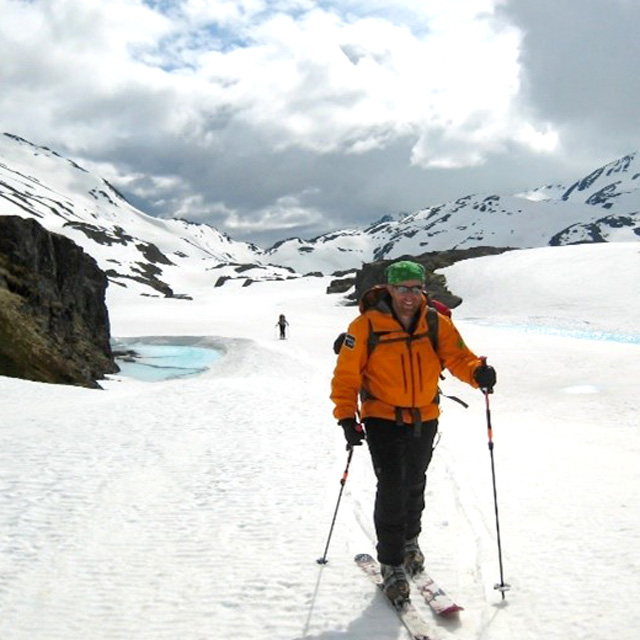
- Difficult navigation, potentially over vast snowfields that could cover up to 18 km (11.2 mi) of trail
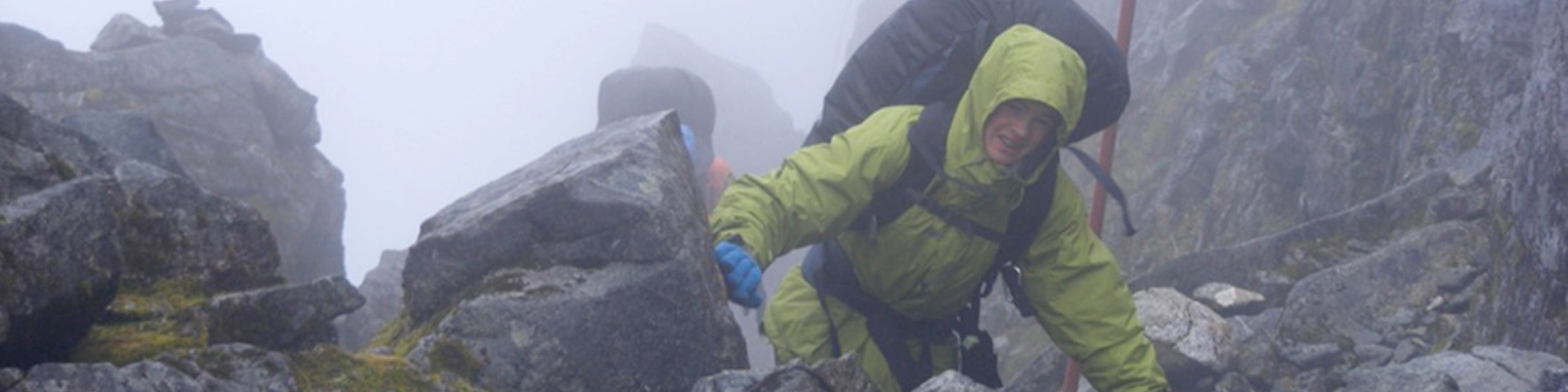
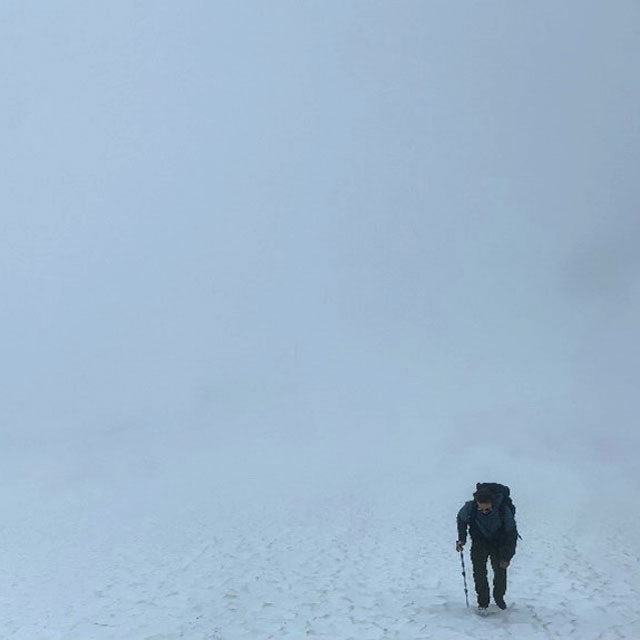
- Poor visibility on an unmarked trail
- Extreme weather including snowstorms even in the middle of summer
- Weather changes quickly
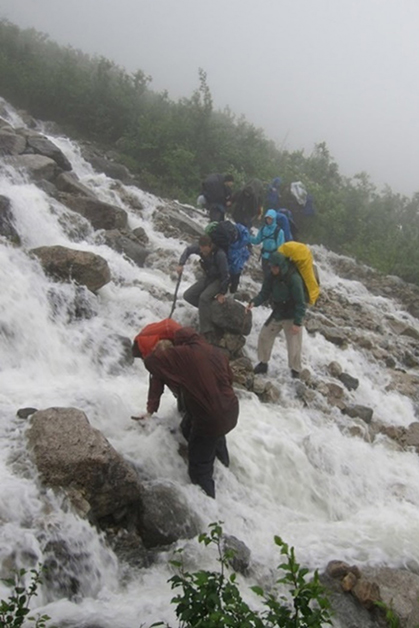
- Rugged terrain and slippery surfaces
- Fast-flowing creek crossings
- Bears and other wildlife
Check current trail conditions.
June to mid-July hazards:
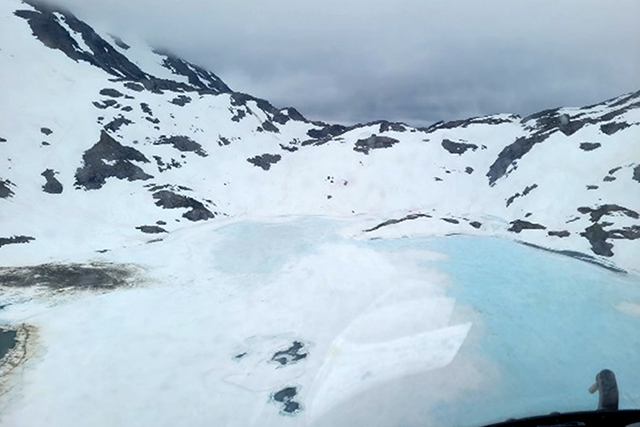
- Avalanche hazard may be present until mid-July
- Deep snow lasts in Chilkoot Pass until late June and the trail can have vast, snow-covered sections until mid-July
- Thin ice on water bodies, moving water below
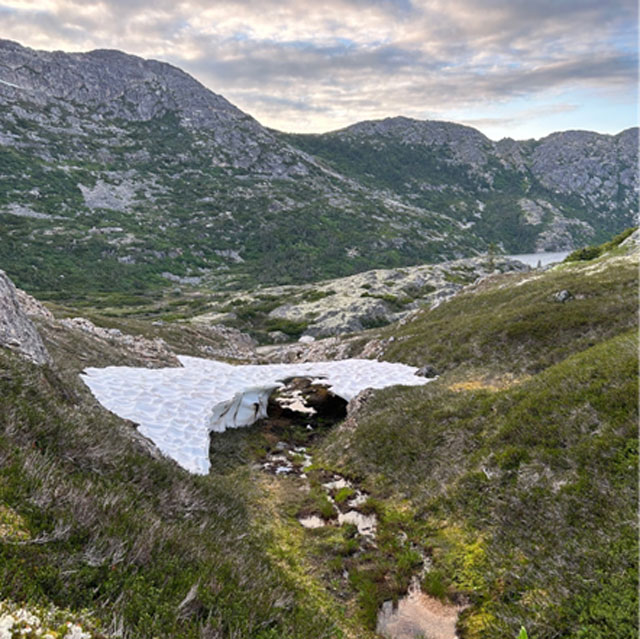
- Snow bridges can collapse suddenly
Read our Guide for detailed safety information.
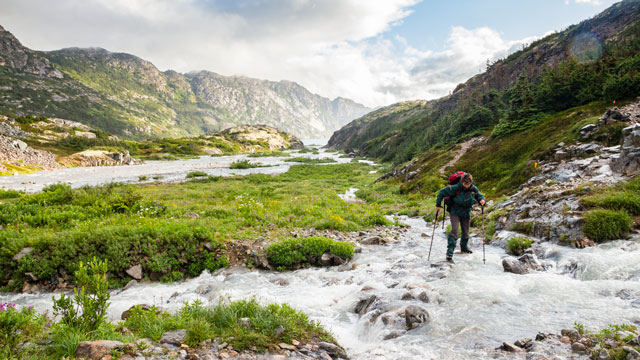
Few trails offer more dramatic changes in climate, terrain and vegetation. Experience the challenges faced by those who traveled to the Klondike.
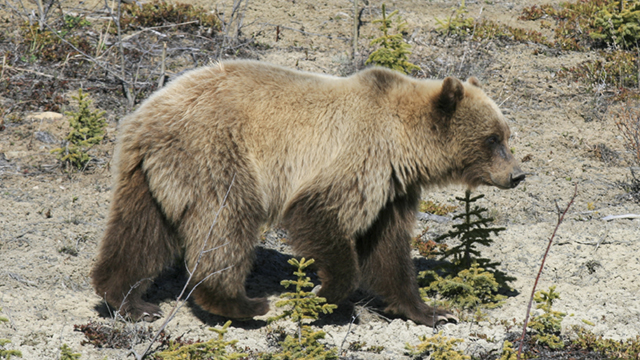
The Chilkoot Trail is located in an area home to both black and grizzly bears. Familiarize yourself with the principles and practices of safe travel in bear country.
More approachable options include:
- Delay your hike to later in the season when there is less snow
- Take a day trip to Bennett, BC
- Camp at Bennett or Bare Loon Lake
- Hike the Chilkoot Trail with a commercial guide or outfitter
Klondike Gold Rush National Historical Park, Alaska Chilkoot Trail National Historic Site, British Columbia Via satellite phone: 1-780-852-3100 Via satellite messaging device: Use the SOS function in the event of an emergency, and your service provider will connect Parks Canada Emergency Dispatch to you. You are not able to message the number above with a satellite messaging device.Emergency Contact Numbers
NPS Emergency Dispatch
1-907-683-2276
Parks Canada 24 Hour Emergency Dispatch


- Date modified :