
Nature and science
Kootenay National Park
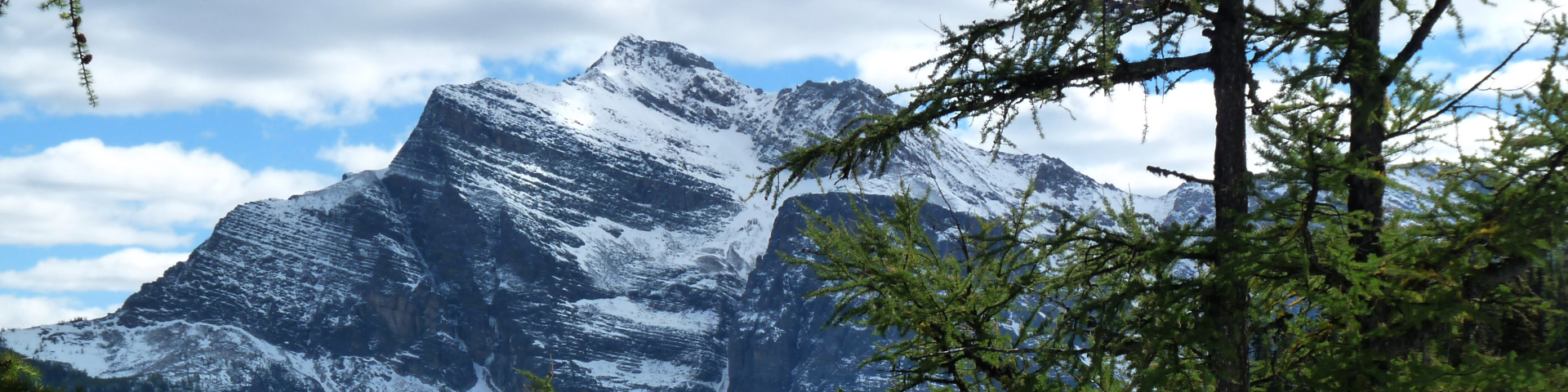
From grasslands and glaciers to narrow canyons and extensive mountain ridges, Kootenay National Park is a land of contrasts. In summer, brilliant fields of fuchsia fireweed mark where naturally occurring wildfires once raged. These sites provide important habitat for bears, lynx, and moose and offer visitors a look into the forest’s regeneration process.
Conservation
We are working to maintain and restore the park’s ecological health to ensure that Kootenay National Park remains intact for future generations:
Animals
Environment
Kootenay National Park is located in southeast British Columbia and protects 1,406 km2 of the Main and Western Ranges of the Rocky Mountains Natural Region. The park is within the traditionally used territory of the Ktunaxa and Secwépemc peoples and is a place of immense ecological, cultural, and historical significance.
- Burgess Shale Fossils — Kootenay’s alpine is where some of the world’s most important fossils, the Burgess Shale, can be found.
- Climate Summary Report, 2024 (PDF, 763 KB) — Kootenay National Park, much like the rest of Canada, is warming faster than the global average. The report provides key insights into the challenges facing Kootenay’s ecosystems and local species, along with its archeological sites, infrastructure, and opportunities for visitation.